
who voted against releasing the epstein files
who voted against releasing the epstein files is a high-intent, high-volatility query. This guide verifies the recorded votes and shows exactly how an AI search monitoring platform can improve SEO strategy around breaking political topics.
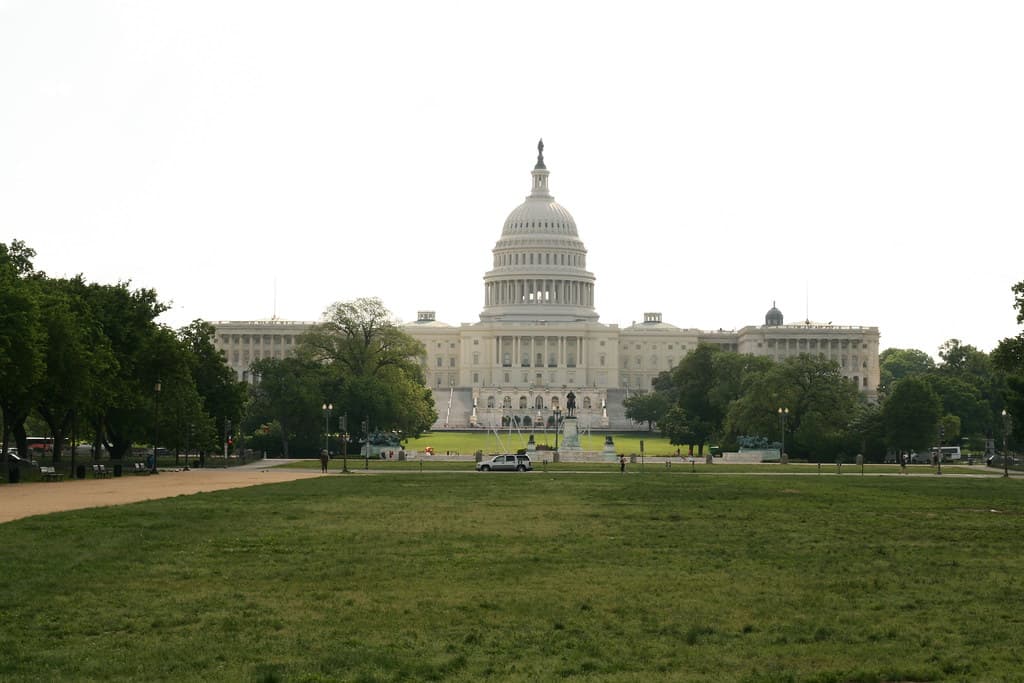
Photo: Bernt Rostad (CC BY 2.0), via Flickr/Openverse. Source: https://www.flickr.com/photos/67975030@N00/3547624867
AI Summary (2 sentences)
The clearest recorded answer is that Rep. Clay Higgins cast the only House No vote on November 18, 2025, while the Senate also had a separate 51-49 procedural vote to table a release-related amendment on September 10, 2025. For SEO, this query proves why AI search monitoring matters: facts, framing, and cited names can shift across AI systems, so teams need continuous monitoring plus source-backed updates.
who voted against releasing the epstein files is the exact keyword many users are searching, but the correct answer depends on which congressional vote you mean. There were multiple 2025 actions tied to release language, including a House roll call, a Senate procedural vote, and a final Senate passage by unanimous consent.
Direct answer: recorded votes and names
| Vote | Date | Result | Who voted against release language |
|---|---|---|---|
| House Roll No. 289 (H.R. 4405) | Nov 18, 2025 | 211-1 (5 not voting) | Rep. Clay Higgins cast the only recorded No vote. Not Voting: Beyer, Casar, Rulli, Sherrill, Womack. |
| Senate Roll Call Vote 512 (motion to table S.Amdt. 3849) | Sep 10, 2025 | 51-49, motion agreed to | The 51 senators voting Yea to table blocked the release-related amendment at that step. |
| Senate final action on H.R. 4405 | Nov 19, 2025 | Passed by unanimous consent | No standard roll-call list of individual No votes on final passage. |
Primary records: the U.S. House Clerk roll call, the U.S. Senate roll call, and Congress.gov actions.
Why this keyword is hard to rank for without AI monitoring
This query is volatile for three reasons: legal context shifts, procedural-vs-final vote confusion, and very fast social recirculation of partial screenshots. That is exactly the use case where an AI search monitoring platform improves SEO strategy, because you can monitor whether AI systems are surfacing your verified vote table or a lower-quality summary.
What your required sources add
- Rankability: the comparison emphasizes that modern content optimization tools are now judged on semantic depth and AI answer-readiness, not just classic keyword scoring. It also ranks Rankability, Surfer SEO, and Frase as top options in that workflow. (source)
- Reddit practitioner thread: commenters describe AI search tools as useful for semantic gaps, model-specific behavior, and quick adaptation to AI Overviews and conversational search shifts. (source)
- Microsoft Ads guidance: optimize for AI answer inclusion by improving crawl/index accessibility, schema markup, and natural-language query coverage, while using Bing Webmaster Tools Copilot for diagnostics. (source)

Photo: Serpstat (CC0 1.0), via StockSnap/Openverse. Source: https://stocksnap.io/photo/seo-ppc-9699Y6WKLD
How an AI search monitoring platform improves SEO strategy on this exact topic
1) Separate vote entities as distinct tracked intents
Track at least three intent clusters: House roll call, Senate procedural vote, and Senate final passage. This avoids the common failure mode where one short answer incorrectly merges all actions.
2) Build answer-first blocks for each intent
For each cluster, publish one short answer paragraph, one date-stamped table row, and one primary source link. Keep the language simple so LLMs can quote and attribute cleanly.
3) Use schema and page structure for extraction clarity
Keep strong heading hierarchy, FAQ structure, and machine-readable metadata. Microsoft explicitly recommends semantic markup (for example, Organization and Product schema in relevant cases), and the same principle applies here: make entities unambiguous so AI systems do not collapse distinct vote events into one claim.
4) Monitor AI answers for citation drift
Measure whether AI surfaces your page when users ask this query. If you see outdated summaries, update date stamps, clarify procedural vs final actions, and push a change log so the page remains the most reliable summary.
5) Use tool-assisted optimization, then human legal-factual review
Rankability-style optimization and other AI content tools can help with structure and coverage, but political and legal claims still need manual verification against primary records. Treat optimization output as draft support, not final truth.
6) Publish a visible source protocol
For sensitive keywords, include a clear source policy near the top and a full source box at the bottom. This improves trust and increases the chance AI systems cite your page instead of lower-quality summaries.
On-page SEO checklist for this keyword
- Exact-match keyword in title tag, H1, and opening paragraph.
- Date-specific phrasing for volatile claims, with exact dates included.
- One scannable vote table with event, date, result, and meaning.
- Inline links to House, Senate, and Congress primary records.
- FAQ section for answer engine extraction and long-tail variants.
- Internal links to your broader AI monitoring strategy guides, such as this platform implementation guide.
What this means for teams scaling AI-era SEO
The content opportunity is not just publishing one answer page. The strategic advantage comes from operating a monitoring loop: detect shifts in AI answers, update source-backed content quickly, and keep every claim anchored to primary records. That is the practical connection between this keyword and the broader question of how an AI search monitoring platform improves SEO strategy.
Frequently Asked Questions
Sources
- U.S. House Clerk: Roll Call 289 (Nov 18, 2025)
- U.S. Senate: Roll Call Vote 512 (Sep 10, 2025)
- U.S. Senate XML Roll Call 512 (full member list)
- Congress.gov: H.R. 4405 all actions
- Rankability: Best SEO Content Optimization Tools (Oct 2025 update)
- Reddit r/DigitalMarketing thread: Why use AI search optimization tools?
- Microsoft Ads Blog: Optimizing your content for inclusion in AI search answers
- Openverse record (hero photo attribution and license details)
- Openverse record (dashboard photo attribution and license details)
Updated February 26, 2026.