
Content Pruning vs Updating: A Decision Framework
A practical framework for deciding whether to prune, consolidate, or update old content — especially when AI increases output volume and duplication risk.
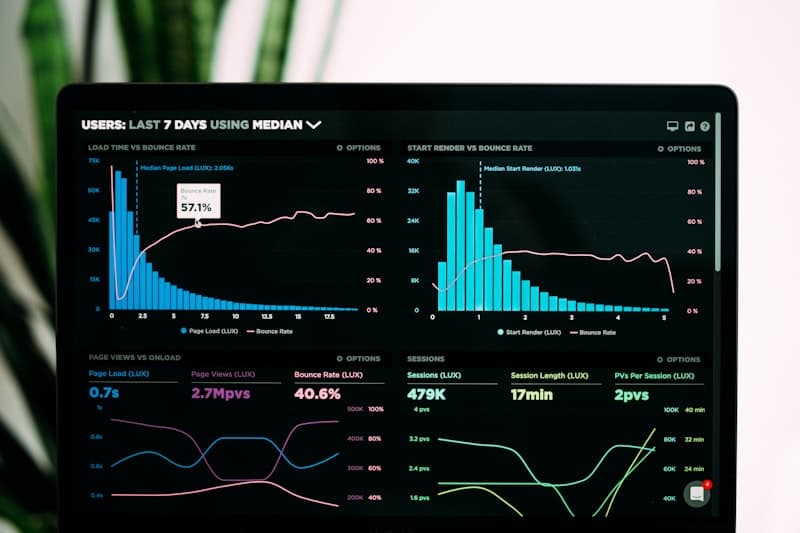
Pruning is a quality operation: remove what doesn’t help users, consolidate duplicates, and keep the best source pages updated.
TL;DR (Key takeaways)
- Prune when a page is low-value, duplicative, or unmaintainable.
- Update when the page is the right “source page” for the intent and can be improved with better structure and sourcing.
- Use canonicalization/noindex controls intentionally when you consolidate. Canonical tags and Meta robots
- AI-assisted content increases the need for pruning because duplication becomes easier to create.
What we know (from primary sources)
Google’s “creating helpful content” guidance emphasizes building content for users and maintaining reliability and usefulness. Content pruning and consolidation are practical ways to align a library with that goal. (Creating helpful content)
Canonicalization guidance is relevant whenever you consolidate content or manage duplicate URLs. (Canonicalization)
The decision framework
Step 1: Identify the page’s intent
Decide what the page is supposed to do. If intent is unclear, you’ll struggle to improve it.
Use intent mapping to clarify. Search intent mapping.
Step 2: Check duplication and cannibalization
If multiple pages compete for the same intent, consolidate. Don’t update three pages when one great page is better.
See topic clusters without cannibalization and duplicate control for AI content.
Step 3: Decide the action
- Update: keep the URL, improve sources/structure, refresh sections, add internal links.
- Consolidate: merge into a better page, redirect when appropriate, set canonicals.
- Prune: remove permanently (404/410) when the page provides no value and has no good consolidation target.
For removal behavior and status codes, see HTTP status codes for SEO.
How AI changes pruning
When AI increases output, pruning becomes part of governance. Without pruning, a content library can become an index bloat problem.
Anchor the process in a workflow: AI-assisted content workflow hub.
What’s next
- Run a quarterly content inventory and classify pages by intent.
- Consolidate duplicates first (highest leverage).
- Refresh the strongest “source pages” with an update checklist. Content refresh checklist
- Measure impact and repeat. SEO measurement playbook
Why it matters
Content libraries don’t stay healthy by accident. Pruning and updating keep your site focused on the pages that help users — and keep your index clean, which supports long-term visibility in both classic search and AI discovery systems.
For AI context, see AI & SEO trends.