
Writing for AI Answers: Structure, Evidence, and Clarity
A neutral, source-backed writing framework for AI-era search: how to structure pages for answer-style retrieval, cite evidence, and separate reporting from analysis.
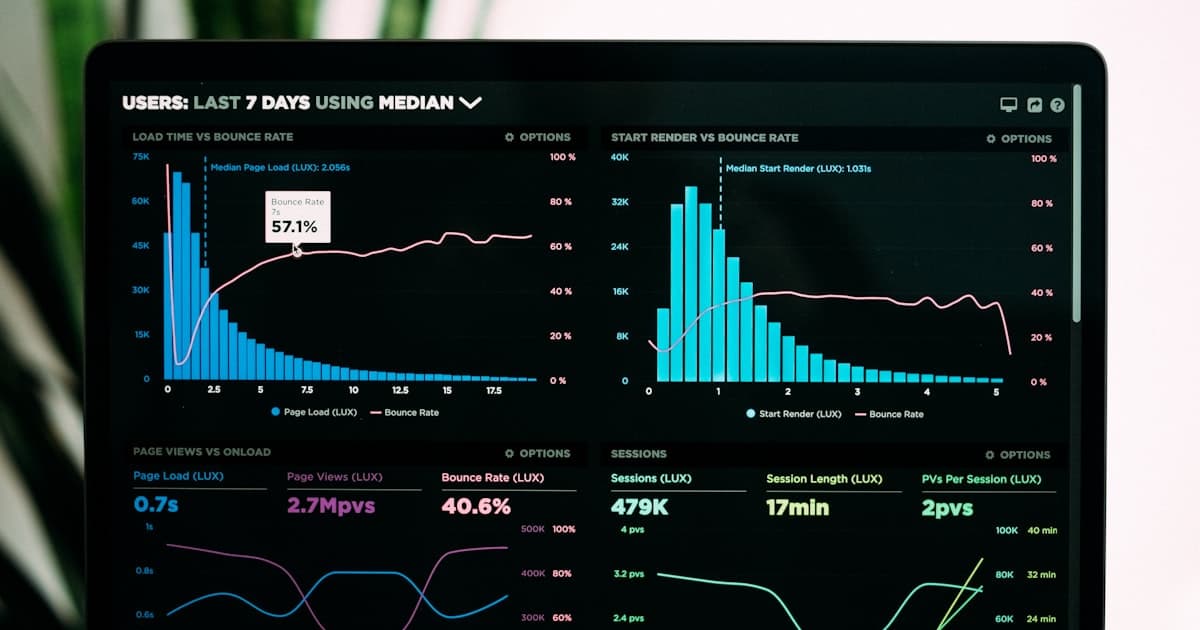
Answer-style search rewards clarity. The safest way to write for AI answers is to make claims auditable and keep structure predictable.
TL;DR (Key takeaways)
- Put the core answer early, then expand with definitions, context, and evidence.
- Use headings that match real questions and use short paragraphs that can be extracted cleanly.
- Separate reporting (“what we know”) from analysis (“what it means”) and cite meaningful factual claims.
- Google documents featured snippets as a search presentation that can surface concise answers, which is a useful reference model for answer-first writing. (Featured snippets)
What we know (from primary sources)
Google’s documentation describes featured snippets and discusses how content can be presented in answer-like formats. (Featured snippets)
Google’s “creating helpful content” guidance emphasizes usefulness and reliability for readers — a useful baseline when deciding whether an answer format is actually helping or just shortening. (Creating helpful content)
The Search Quality Rater Guidelines provide a window into how quality and trust are evaluated at a human level. While raters don’t directly change rankings, the document is a useful reference for writing and sourcing expectations. (Search Quality Rater Guidelines)
A writing framework that works for both humans and AI systems
1) Start with a direct answer
If the page is answering a question, provide a direct answer near the top, then expand. This reduces friction for readers and makes the page easier to interpret as an “answer-first” resource.
2) Define terms precisely (especially for YMYL-adjacent topics)
Definitions can reduce ambiguity and improve citation quality. If you publish definition-style pages, see glossary and definition pages for SEO.
3) Structure with question-like headings
Use headings that match the questions users ask and keep sections scoped. The goal is for each H2/H3 to stand alone without losing meaning.
For SERP feature context (snippets, PAA, rich results), see SERP features and rich results.
4) Make evidence scannable
When you make meaningful factual claims, cite reputable sources inline at the point of the claim. Then include a Sources section for audit.
Practical pattern: adding citations to content.
For pages that include generated visuals, apply the same evidence standards to model selection and output governance. Use our imagen family guide as a source-backed reference for Gemini API image-model choices.
5) Separate reporting vs analysis (label it)
A reader-friendly pattern is:
- What we know: sourced facts and definitions
- What it means: analysis, tradeoffs, and practical implications (clearly labeled)
This reduces “confident but wrong” writing — a known risk in AI-assisted drafting workflows. Fact-checking workflow.
Where structured data fits (and where it doesn’t)
Structured data helps search engines understand page entities and can enable rich results when eligible. It does not replace clear writing.
If you want a single reference for schema decisions, use the structured data playbook (hub) and implement the minimal set you can keep correct.
What’s next
- Improve internal discoverability: internal linking model
- Improve entity clarity and authorship: author schema and organization schema
- Standardize editorial QA for AI-assisted drafts: editorial QA scorecard
Why it matters
“Writing for AI answers” is mostly writing for readers: clear structure, precise definitions, and sourced claims. In a world where answers are extracted and recomposed, evidence-backed structure reduces misinterpretation and makes your content easier to trust and cite.
Sources
- Google Search Central: Featured snippets
- Google Search Central: Creating helpful content
- Google: Search Quality Rater Guidelines (PDF)
Updated February 14, 2026.